The landscape of digital accessibility requirements for schools is evolving rapidly. Here's what you need to know about the latest ADA compliance requirements and how they affect your district.
Recent Regulatory Changes
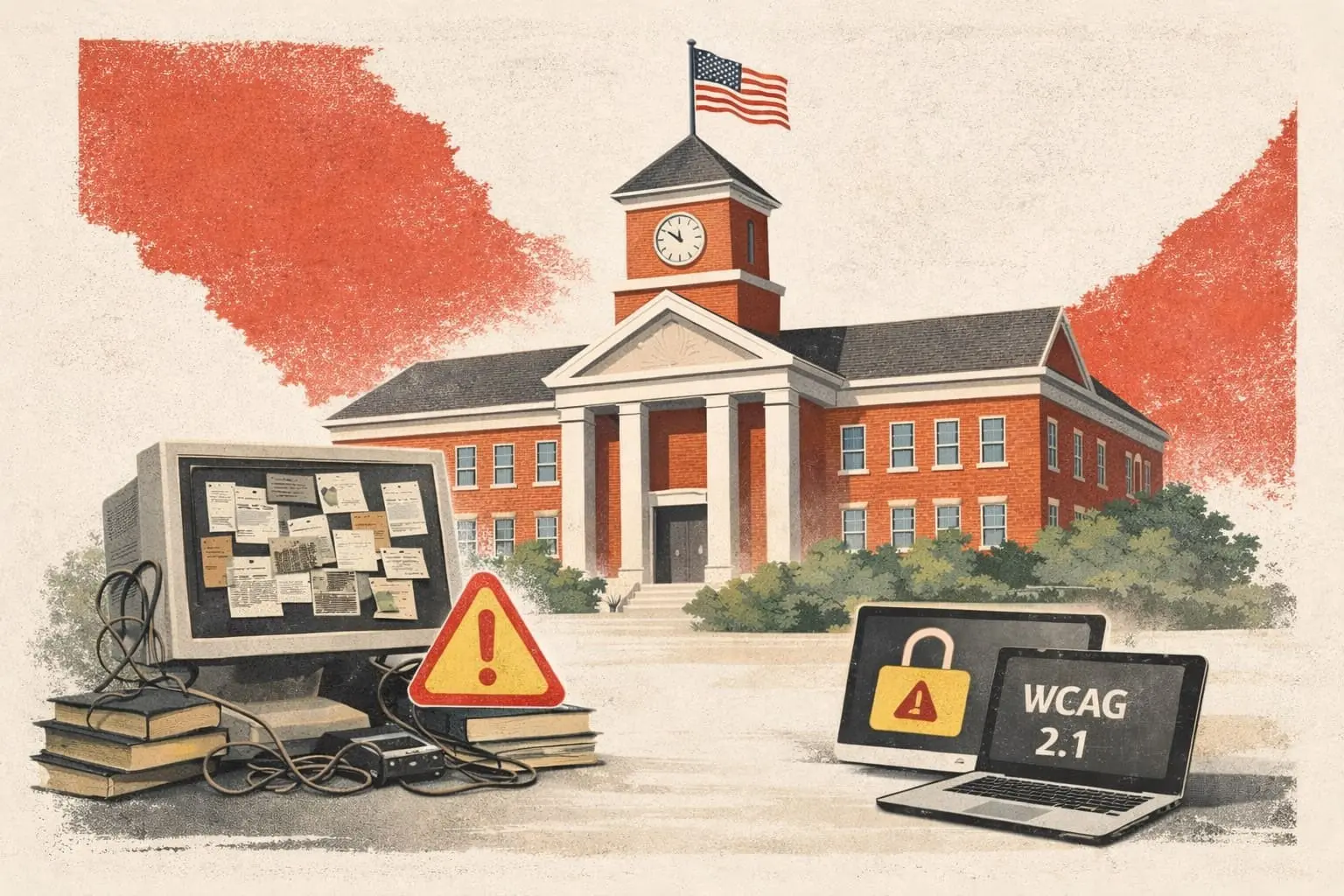
In April 2024, the Department of Justice issued new regulations under Title II of the Americans with Disabilities Act, specifically addressing web and mobile accessibility for state and local governments—including public schools.
Key Requirements
The new rules establish specific technical standards that school districts must meet:
- WCAG 2.1 Level AA is now the minimum standard
- Mobile apps are explicitly covered
- Timeline for compliance varies by district size
Compliance Deadlines
Districts must achieve compliance according to the following schedule:
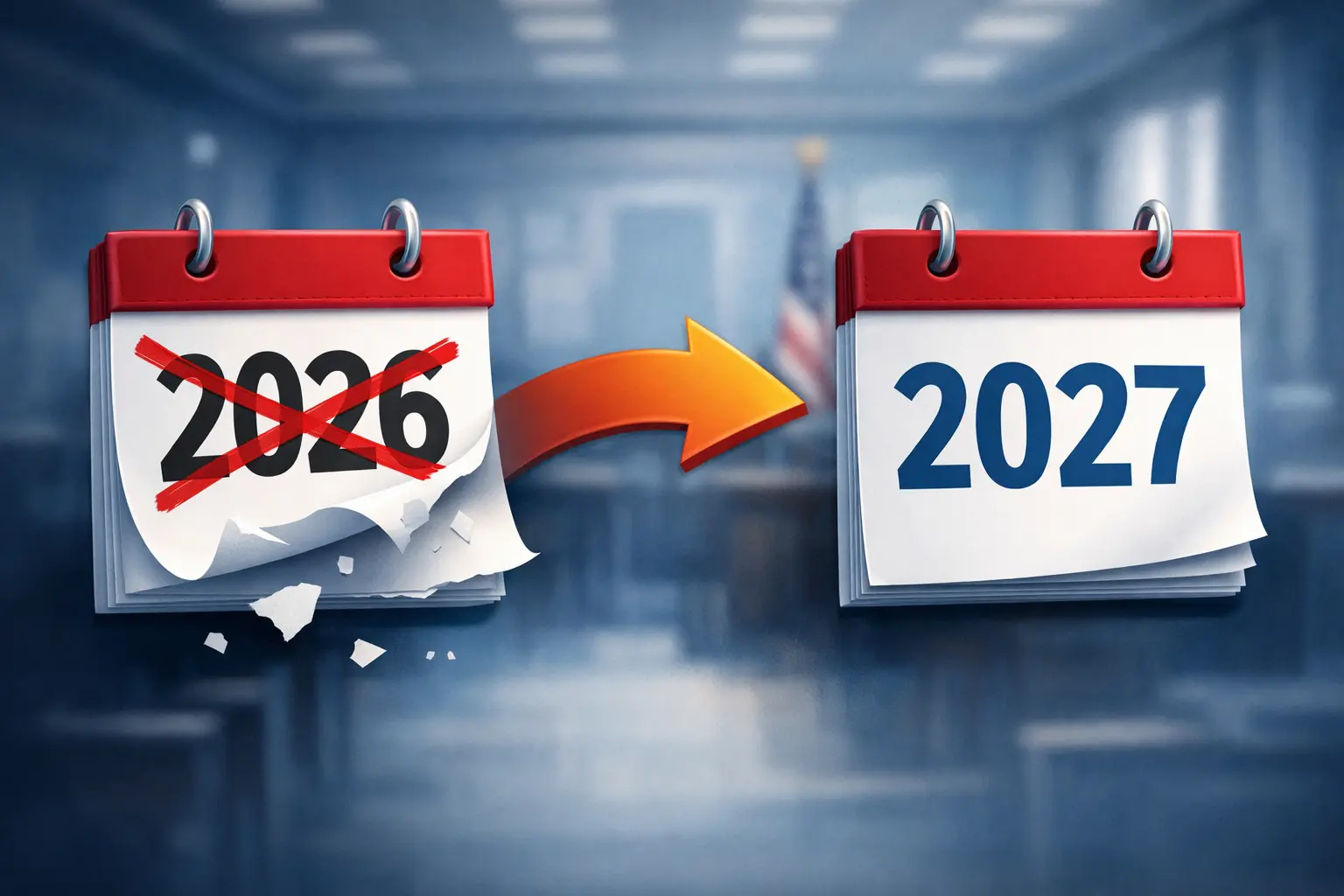
| District Size | Deadline | | ----------------------- | ---------- | | 50,000+ population | April 2026 | | Under 50,000 population | April 2027 |
What This Means for Your District
Expanded Scope
The regulations apply to all web content and mobile apps, including:
- District and school websites
- Learning management systems
- Parent communication portals
- Student information systems
- Mobile apps for bus tracking, grades, etc.
Third-Party Content
Districts are also responsible for third-party content and tools they make available to students and parents. This includes:
- Embedded videos
- Interactive widgets
- External applications integrated into your systems
Building a Compliance Strategy
1. Conduct an Accessibility Audit
Start by understanding where you currently stand:
- Inventory all digital properties
- Test against WCAG 2.1 AA standards
- Document findings and prioritize issues
2. Develop a Remediation Plan
Create a realistic timeline for addressing issues:
- Critical issues affecting navigation or core functionality first
- High-priority items that block access to important content
- Medium and low priority issues for ongoing improvement
3. Implement Ongoing Monitoring
Accessibility isn't a one-time project:
- Set up automated scanning
- Train content creators
- Include accessibility in procurement requirements
Common Compliance Challenges
School districts face unique challenges:
"Our biggest challenge is the sheer volume of content across dozens of school websites, each managed by different staff members." — IT Director, Large Urban District
Decentralized Content Creation
When many staff members create content, consistency is difficult. Solutions include:
- Centralized templates
- Accessibility training for all content creators
- Automated checking before publication
Legacy Content
Years of accumulated documents, videos, and web pages need attention:
- Prioritize by usage and importance
- Use AI-powered tools for bulk remediation
- Archive truly obsolete content
Budget Constraints
Limited resources require smart allocation:
- Start with the highest-impact improvements
- Leverage automation to reduce manual effort
- Build accessibility into new projects from the start
How ClearLinks Helps
Our platform is specifically designed for K-12 districts facing these challenges:
- Comprehensive Scanning - We scan your entire digital footprint
- AI-Powered Remediation - Automatically fix common issues
- Compliance Reporting - Generate documentation for auditors
- Staff Training - Build internal capacity for accessibility
Take Action Now
Don't wait for a complaint or lawsuit. Proactive compliance is:
- More cost-effective than reactive fixes
- Better for your students and community
- The right thing to do
Schedule a consultation to assess your district's readiness and build a path to compliance.