With new ADA Title II web accessibility requirements now finalized, many school districts are asking the same question: how much time do we actually have, and what should we be doing right now?
While the deadline may seem far away, WCAG compliance is not something districts can handle at the last minute. The scope of content involved and the operational changes required mean that early planning is critical.
This article breaks down the WCAG compliance timeline for schools and outlines what districts should be doing at each stage leading up to 2026.
Understanding the 2026 Deadline
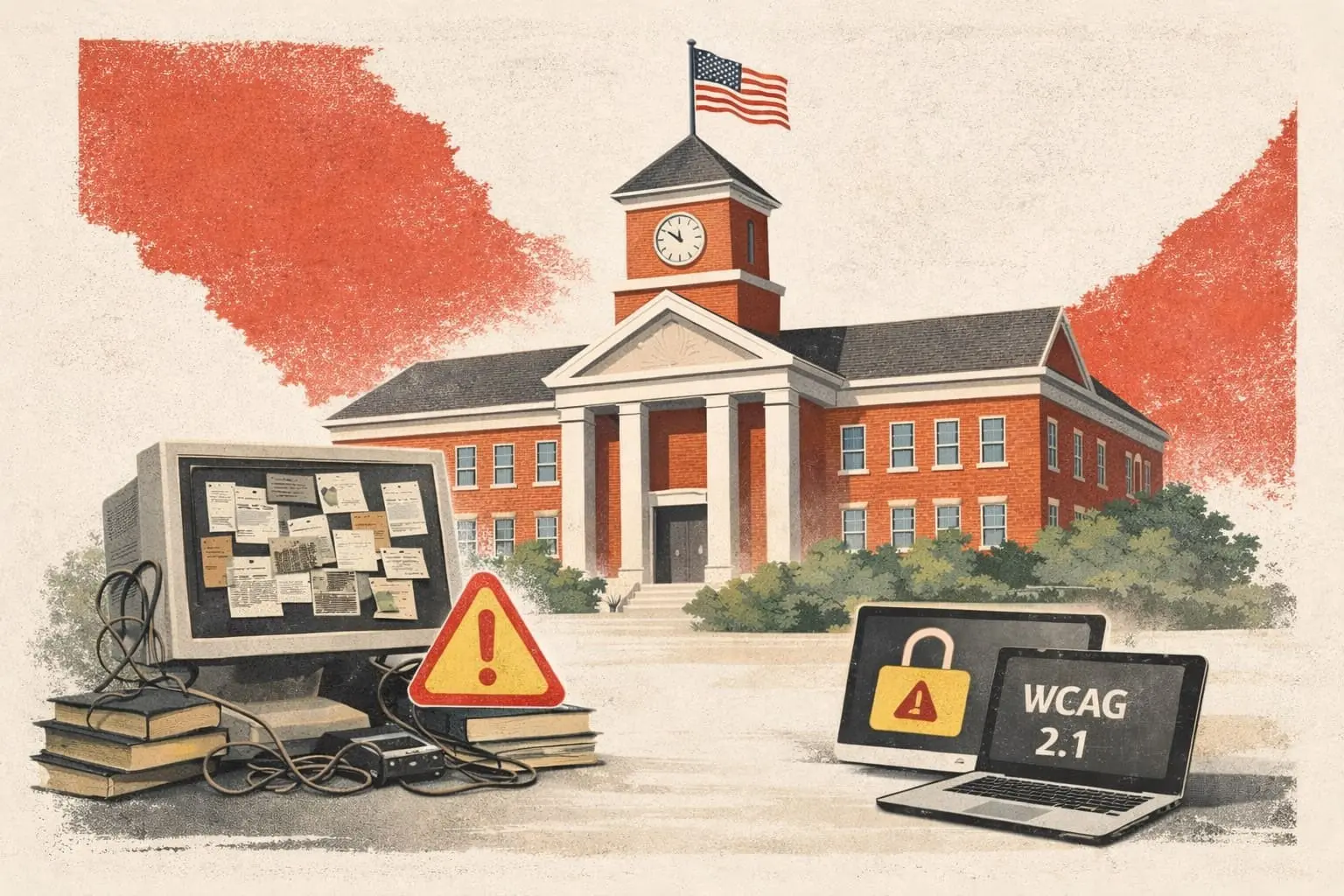
The Department of Justice finalized its web accessibility rule in March 2024, requiring state and local governments, including public school districts, to ensure their digital content meets WCAG 2.1 AA standards.
The full rule is available here: https://www.ada.gov/resources/2024-03-08-web-rule/
While enforcement timelines vary by organization size, 2026 is the key target year for districts to be fully compliant across their digital content.
Why WCAG Compliance Takes Time
WCAG compliance is not a single task. It involves:
- Reviewing large volumes of existing content
- Addressing accessibility issues across multiple formats
- Implementing systems for new content going forward
- Coordinating across IT, curriculum, communications, and administration
Districts that wait often underestimate how much content exists and how long remediation takes.
What Schools Should Do Now
Establish Ownership and Accountability
The first step is identifying who owns accessibility at the district level. WCAG compliance should be treated as an operational responsibility, not an individual teacher task.
Clear ownership helps prevent confusion later.
Understand the Scope of Digital Content
Districts should develop a clear picture of where digital content lives, including:
- District and school websites
- Learning management systems
- Shared drives and document repositories
- Teacher-created instructional materials
This step often reveals far more content than expected.
What Schools Should Do in the Next 6–12 Months
Audit High-Risk Content Areas
Rather than trying to fix everything at once, districts should identify high-risk areas such as:
- Frequently used PDFs
- Core instructional materials
- Parent-facing documents
- Forms and enrollment materials
Prioritization reduces overwhelm and improves outcomes.
Select Tools and Systems
Manual remediation does not scale across an entire district. This period is critical for selecting tools that can automate accessibility checks and remediation.
Districts that choose systems early gain flexibility and reduce future pressure.
What Schools Should Do Before 2026
Implement Ongoing Accessibility Processes
By the time enforcement deadlines approach, districts should have systems in place that:
- Automatically scan new content
- Fix issues before materials are distributed
- Maintain compliance as content changes
Accessibility should function continuously, not as a one-time cleanup.
Train Staff Without Overburdening Teachers
Training should focus on awareness and best practices, not turning teachers into accessibility experts. The goal is clarity, not added workload.
The Risk of Waiting Too Long
Districts that delay often face:
- Emergency remediation under tight timelines
- Increased legal and consulting costs
- Pressure placed on teachers mid-year
- Less control over how compliance is achieved
Early action provides significantly more flexibility and lower risk.
How ClearLinks Can Help
ClearLinks helps schools prepare for WCAG compliance well before 2026. Our platform automatically identifies and remediates accessibility issues across digital content, allowing districts to stay compliant without disrupting instruction or overloading staff.
Accessibility should be planned, predictable, and manageable.
Ready to build a realistic WCAG compliance timeline for your district? https://clearlinks.org/contact